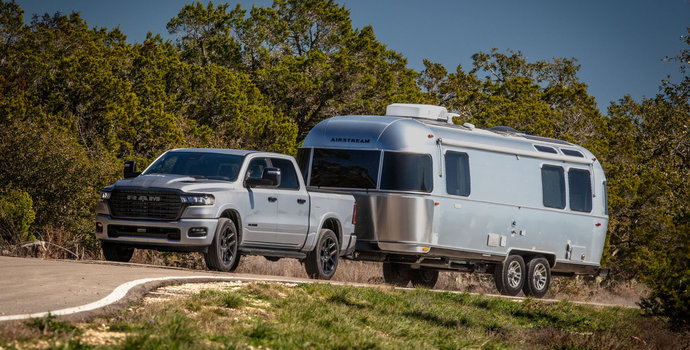
School’s out and summer is here. Many families in Ontario are on vacation and taking to the great outdoors. In some cases that may mean bringing along an ATV, a motorboat for the lake, or even going camping with a fifth-wheel trailer.
All of these fun summer activities will require drivers to attach trailers to their vehicles before bringing them out on the road. But towing a trailer in Ontario brings with it a few considerations. Here are a few towing tips and tricks you need to know.
Make Sure You’re Legal
If you’re driving an ordinary consumer vehicle, such as a car, SUV, or even a pickup truck, and you’ve only got a standard class G license for it, make sure that you’re rated to tow what you want to tow. The most important of these trailer towing safety tips are only to tow what you’re legally allowed.
Class G license holders can only tow trailers —and associated things on a trailer that total up to 4,600 kg (about 10,100 lbs). If what you want to tow weighs more than this, you’re going to need a different license, such as Class A or Class D.
Get That License Plate
When you’re towing a trailer and boat, or any other big rig, such as a fifth-wheel camper, this counts as a separate vehicle and needs to be registered, paid for, and have its own license plate. After all, once you’ve got a trailer behind you it’s very difficult for people to see your automobile’s license plate.
Make sure to get all these things in order, otherwise, if you’re towing a trailer in Ontario, you may find yourself getting stopped by the police for not having a license plate. That’s not the way you want to start your vacation!
Play It Safe: Stay in the Vehicle
This is possibly the most critical of the trailer towing safety tips. When you’re towing something, such as a boat, you may be feeling good, want to enjoy the sun and have a little fun by sitting in the boat while it’s being towed.
Do not do this. While it may feel fun and free, sitting in the towed item while it is rigged and in motion is against the law. You have no protection from the elements as the vehicle moves at a higher speed. You may not have proper seat belts to wear, which puts you at risk.
Brake Slowly and Generously
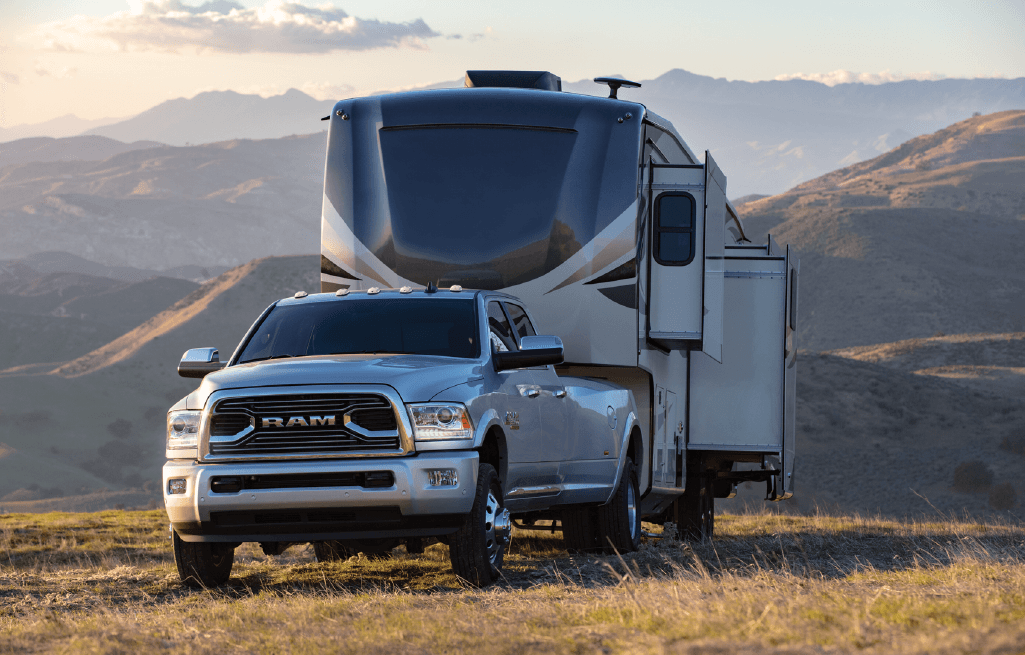
This one is difficult for some people to remember, especially if they have no experience driving a cargo-hauling automobile. Taking on literally thousands of extra kilograms behind your vehicle changes its physics, handling, and centre of gravity of it. If you brake as quickly as you normally would with your car or truck, there’s a chance that the trailer behind might have too much momentum, and it could jackknife or otherwise keep moving even after your vehicle has stopped.
As with winter driving, avoid sudden braking. Give yourself more time and more room to brake, and do not accelerate and drive your vehicle as if it is nimble, agile, and ready to respond to your driving commands at a moment’s notice. It’s not.
Keep Everything in Good Condition
Just like your vehicle itself, your hitch and trailer must be in good operating condition. Make sure that everything is in working order. If your trailer goes over a certain weight (in the case of Ontario, that weight is more than 1,360 kg), then the trailer must have working brakes. Make sure these are in good condition too. If you’re on the road and the police spot your trailer and decide that it’s in poor condition, you can be stopped and fined.
Stay Compliant
There are plenty of good towing tips and tricks to follow, but also some important laws you must obey. Study up on your responsibilities for towing trailers and follow these trailer towing safety tips to have a fun summer and safe experience on Ontario roads.