August camping season in Ontario means loading gear for a weekend at a provincial park, a week-long overlanding loop, or a family trip with three passengers and a mountain of coolers. The right vehicle depends less on badge and more on how you pack, how far you drive, and how rough the road gets before camp.
Cooksville Dodge Chrysler Jeep Ram carries five models built around two different camping philosophies: rugged, trail-first vehicles and comfort-forward family haulers. Matching your trip style to the right one starts with a few concrete numbers, not a gut feeling.
Two Camping Philosophies, One Showroom
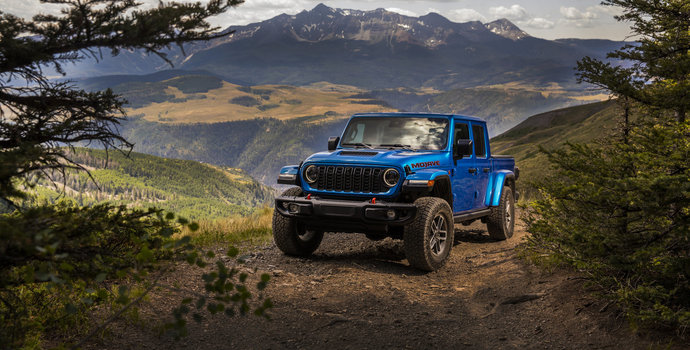
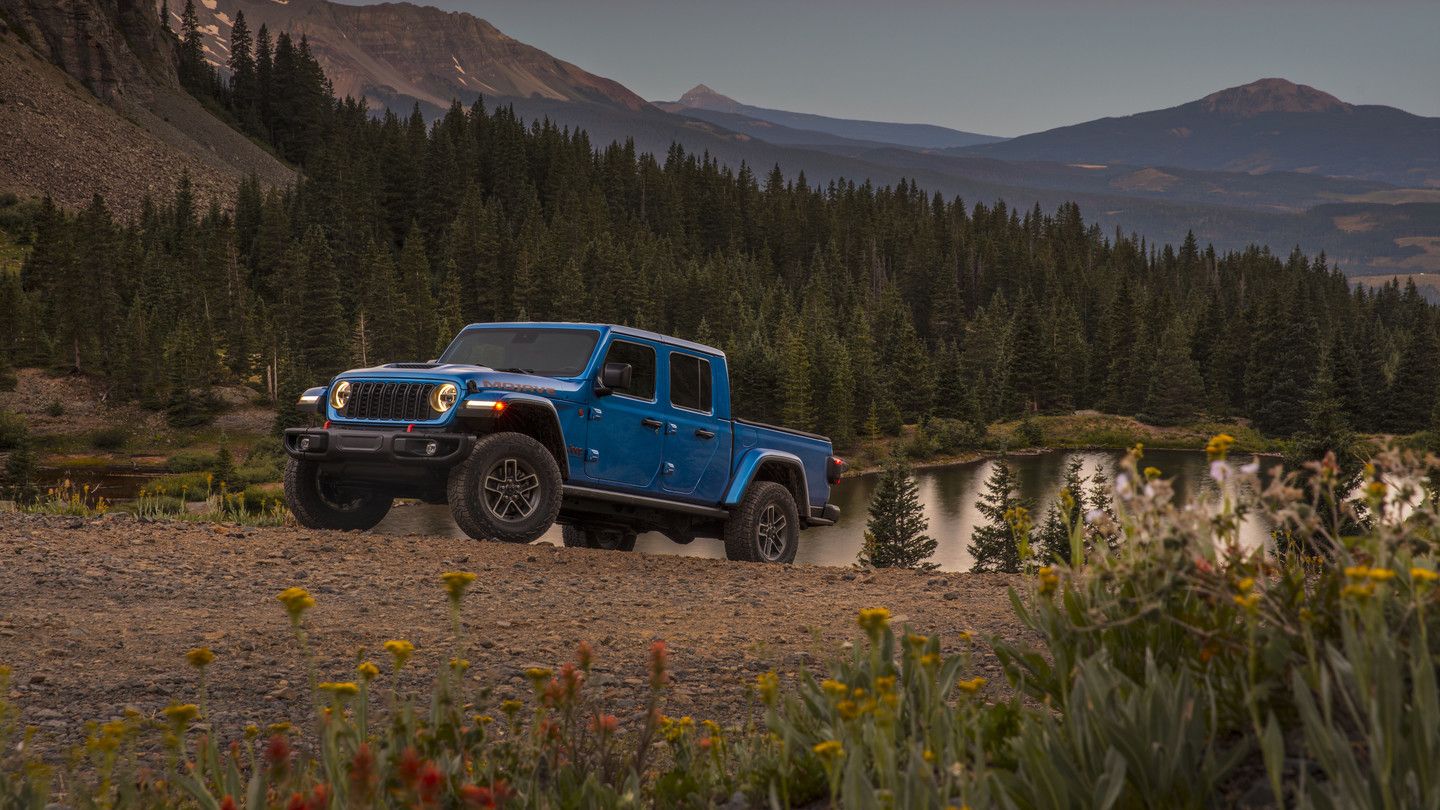
The Wrangler and Gladiator are built around open-air, off-pavement capability. Both use body-on-frame construction, and Rubicon-level trims add a Tru-Lok electronic locking axle system plus an electronic sway-bar disconnect for rutted forestry roads or a rocky boat launch.
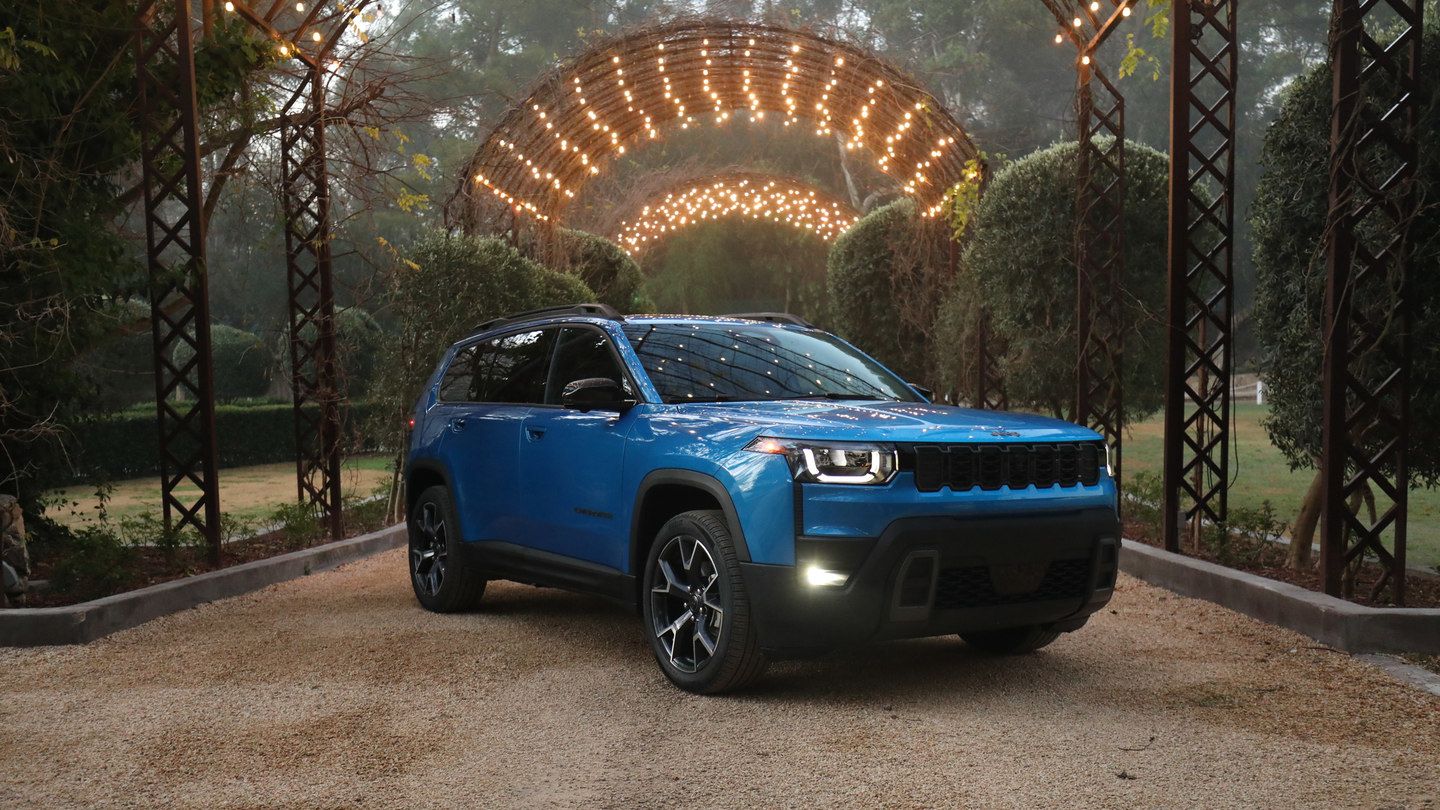
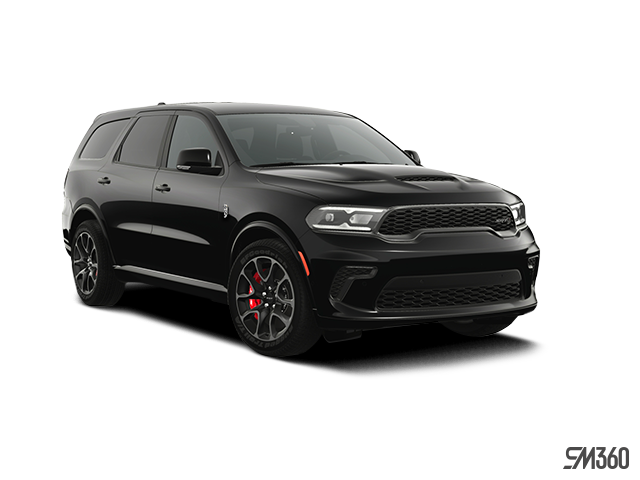
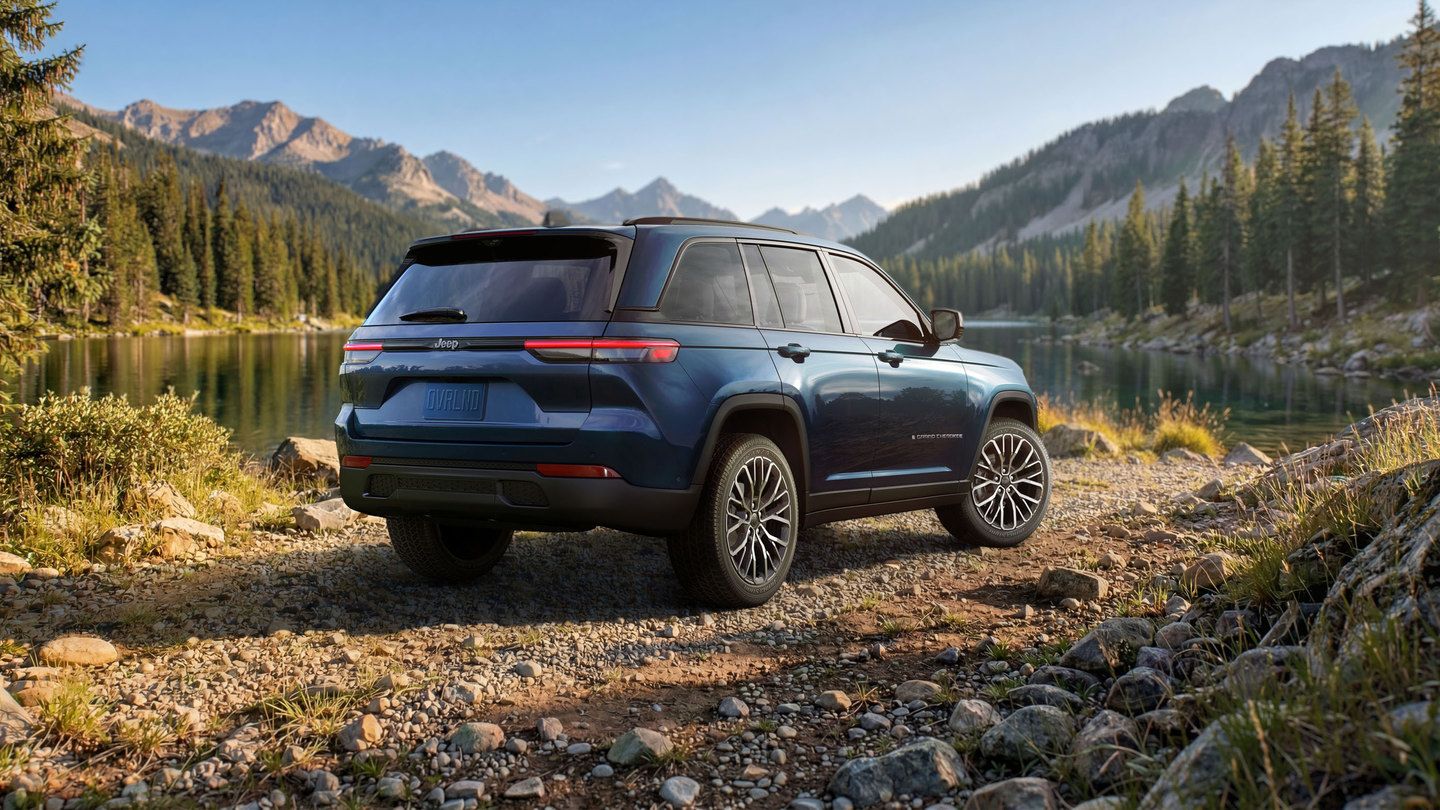
The Grand Cherokee, Durango, and Cherokee lean the other way. They prioritize a settled highway ride, more standard comfort features, and cargo space that swallows camping gear without living out of a truck box. None give up meaningful trail ability, they simply put more engineering budget into the drive to camp rather than the last kilometre of it.
For campers who mostly use provincial park access roads and paved highways, the second group is worth a longer look. For campers heading past the last paved kilometre, the first group is built for exactly that.
What Actually Decides Your Shortlist
Before comparing individual vehicles, it helps to know which specs actually change a camping trip:
- Cargo flexibility: how much gear fits, and how easily it loads
- Passenger seating: two campers need a different room than a family of five
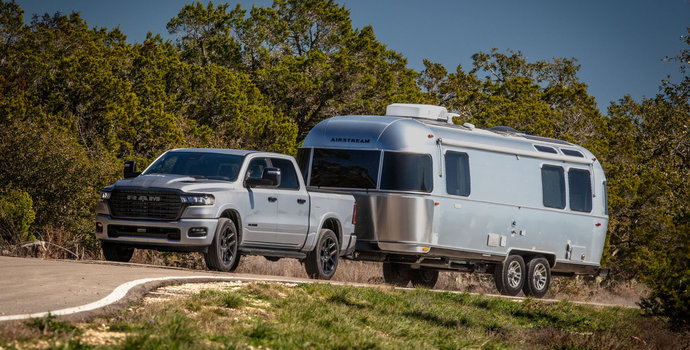
- Towing ability: relevant only if a trailer, tent trailer, or boat is coming along
- Ground clearance and 4WD/AWD: matters most on gravel, mud, or a steep campsite spur
- Cabin usability: how comfortable the drive is when camp is three or four hours away
Matching Camping Styles to Each Vehicle
If you camp solo and want to get well off the beaten path, the two-door Wrangler Rubicon works because it seats four and keeps a short 2,459 mm wheelbase for tighter trail lines. If you’re travelling with a partner and want more cargo space without sacrificing trail-ability, the four-door Wrangler Rubicon X works thanks to its larger cargo area and higher towing capacity, detailed below.
If you’re hauling bikes, coolers, muddy boots, and firewood you’d rather not stack inside the cabin, the Gladiator works because its pickup box keeps gear physically separate from passengers. For families needing three rows and stronger towing numbers, the Durango works. For campers who want a quieter, more finished cabin without sacrificing usefulness, the Grand Cherokee works because the Summit trim adds cooled front and rear seats, a 19-speaker audio system, and adaptive cruise control with stop-and-go for long highway stretches to camp.
For smaller groups who pack light and want an easier daily driver the rest of the year, the Cherokee works because of its compact footprint and hybrid fuel economy, rated at 6.1 L/100km city and 6.7 L/100km highway on the Overland trim, plus standard AWD for confidence on wet gravel and loose forest roads.
Towing, Payload, and Cargo Space by Model
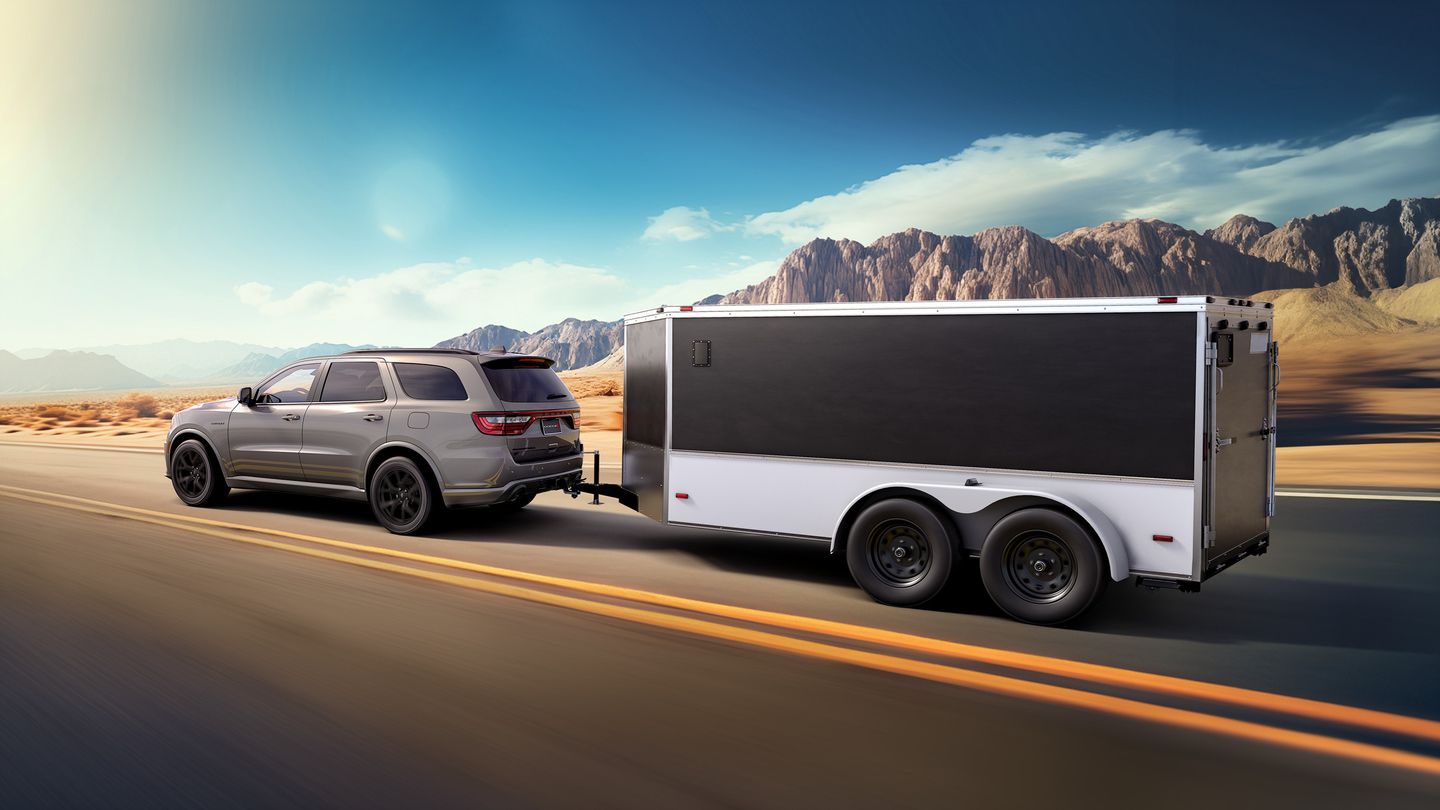
Towing and payload separate the campers hauling a trailer from those packing everything inside the cabin. Here’s how the five compare on their most camping-relevant trims:
|
Model (Trim)
|
Max Towing
|
Payload
|
|
Wrangler 4-Door Rubicon X
|
3,500 lbs (1,588 kg)
|
1,380 lbs (626 kg)
|
|
Gladiator Mojave
|
6,000 lbs (2,722 kg)
|
1,050 lbs (476 kg)
|
|
Grand Cherokee Altitude
|
3,500 lbs (1,588 kg)
|
1,239 lbs (562 kg)
|
|
Durango GT AWD
|
6,200 lbs (2,812 kg)
|
1,451 lbs (658 kg)
|
|
Cherokee Overland
|
3,500 lbs (1,587 kg)
|
851 lbs (386 kg)
|
The Gladiator’s 7,700 lbs (3,492 kg) rating stands well above the rest of the lineup, useful for anyone towing a larger travel trailer or a loaded utility trailer full of side-by-sides. The Durango R/T 392 pushes further still, up to 8,700 lbs (3,946 kg), for buyers who need serious trailer capacity alongside three-row seating.
Cabin cargo tells a different story for the three comfort-forward models and the four-door Wrangler:
|
Model (Trim)
|
Behind Rear Seats
|
Seats Folded
|
|
Wrangler 4-Door Rubicon X
|
897.6 L
|
2,050.1 L
|
|
Grand Cherokee Summit
|
1,067.5 L
|
2,004.8 L
|
|
Durango
|
487.1 L
|
2,409.8 L
|
|
Cherokee 85th Anniversary
|
952.1 L
|
1,935 L
|
The Durango’s smaller behind-the-third-row figure comes with the trade-off of an actual third row, useful for family camping trips with more than five people. Fold that row down, and the Durango’s 2,409.8 L maximum is the largest of the group.
The Gladiator skips this comparison because its cargo story is the pickup box, not folded seats. The Mojave’s box measures 1,531.6 mm long and 861.1 mm deep, with a maximum width of 1,442.7 mm, enough for a cooler, a couple of bins, and a set of bikes without any of them riding inside the cabin. Muddy boots, wet tents, and firewood stay out back instead of soaking the back seat.
Ground clearance varies more by trim than by model. The Rubicon’s standard off-road tire setup brings the Wrangler to 274 mm, and the optional 392 package raises that to 327 mm. The Gladiator Mojave’s desert-tuned suspension reaches 294 mm, while the Grand Cherokee Summit’s air suspension climbs to 320 mm, useful for a rutted campground access road without leaving pavement-friendly manners behind. The Cherokee sits at 261.6 mm, enough for gravel and light washboard roads.
Choosing Between Five Camping-Ready Options
Solo overlanding, a couple’s trip, a full family convoy, or hauling a trailer each point toward a different vehicle in this lineup, from the two-door Wrangler to the seven-seat Durango. Matching cargo, towing, and ground clearance to your actual trip is more useful than guessing from the outside.
Visit Cooksville Dodge Chrysler Jeep Ram in Mississauga to sit in the Wrangler, Gladiator, Grand Cherokee, Durango, and Cherokee, and compare cargo space and towing numbers against your camping gear before your next trip.
You might be interested in these blogs: