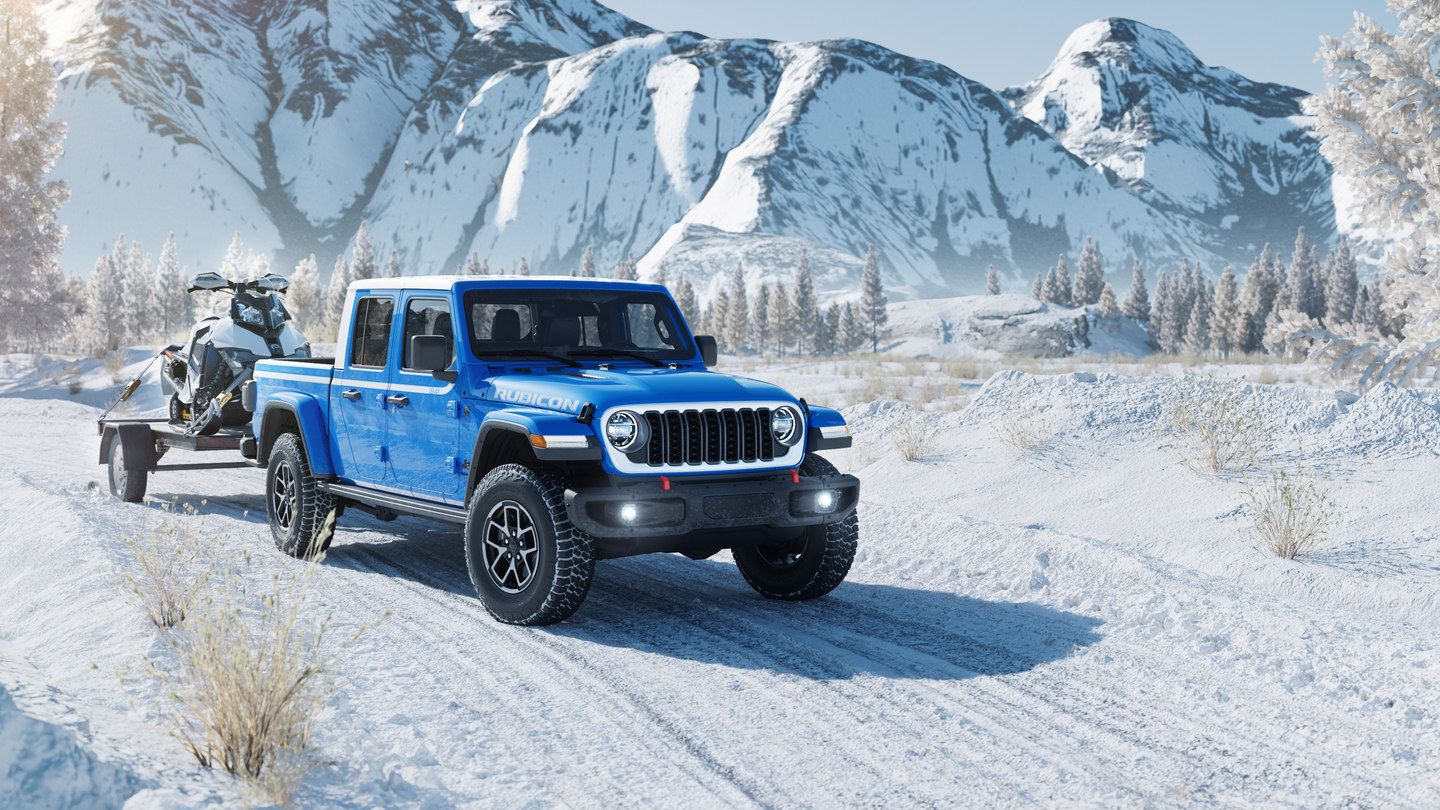
Snow, slush and cold pavement are hard on tires, and a Ram truck or Jeep SUV can only grip the road as well as its tires allow. Four-wheel drive helps you pull away on a snowy street. Every stop and every turn still depends on the rubber at all four corners.
This guide shows you what to look for on the sidewall, how to match winter tires to your truck or SUV, and what to check once they are installed. By the end, you will know exactly what to ask for before the first snowfall.
At a Glance: Winter Tire Options for Ram and Jeep Owners
|
Tire Type
|
What to Look For
|
Winter Role
|
|
Winter tires
|
Mountain/snowflake symbol on the sidewall
|
Compound stays soft in the cold; stopping distances up to 25% shorter
|
|
All-season tires
|
M+S, M/S or MS marking
|
Start losing grip below 7°C
|
|
Studded winter tires
|
Metal studs in the tread
|
Stronger on ice; weaker on wet or dry pavement; check local rules
|
|
Summer tires
|
No all-season or snowflake marking
|
Not built for snow, ice or cold weather
|
Start With the Mountain/Snowflake Symbol
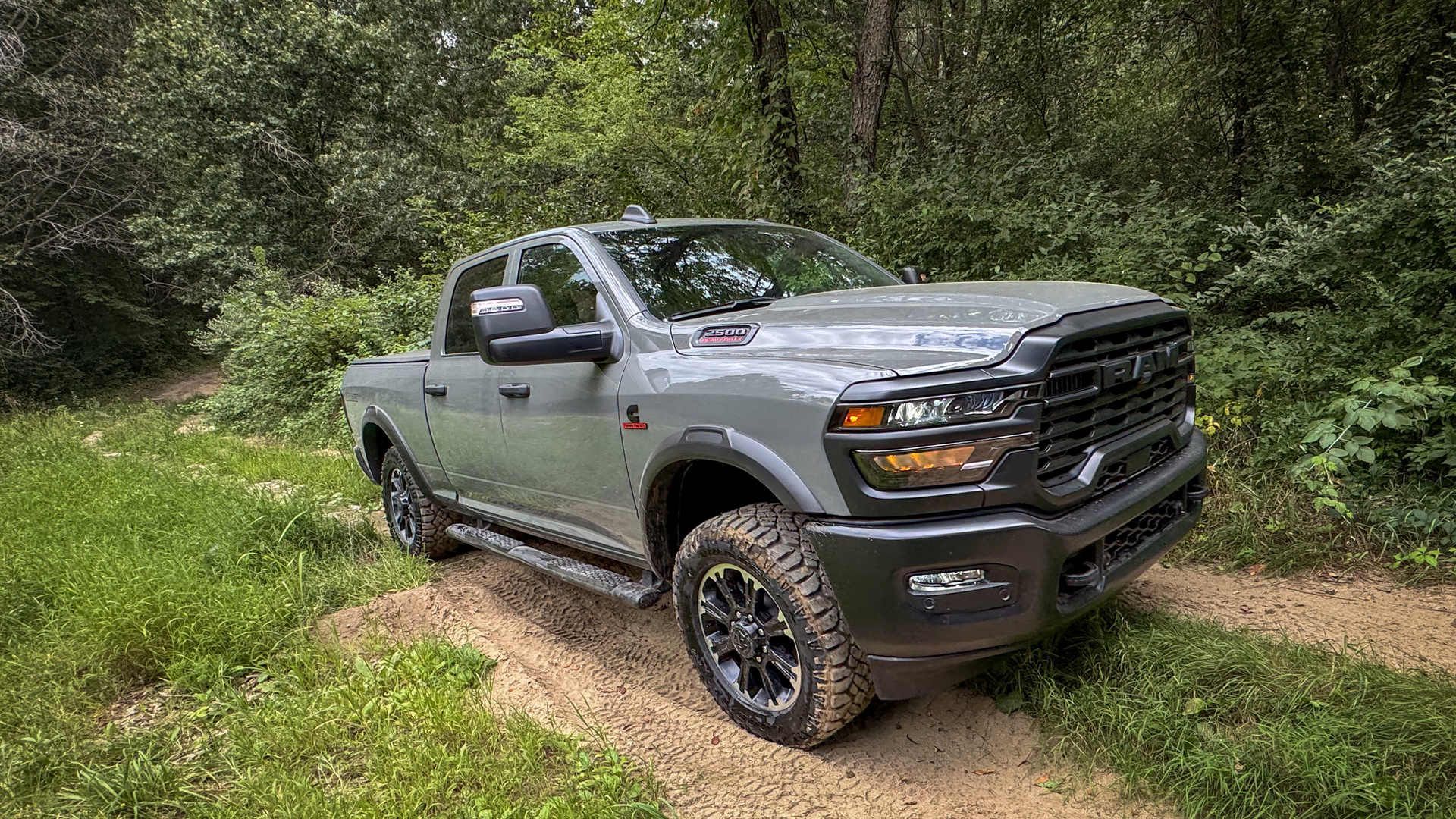
The first thing to check is a small symbol on the sidewall: a three-peak mountain with a snowflake inside. Tires with this symbol meet specific snow traction requirements for severe snow conditions.
All-season tires carry an M+S marking instead. Once temperatures drop below 7°C, all-season and summer tires start to lose their elasticity and grip. Winter tires stay flexible at much lower temperatures. Their compound stays soft in the cold, which can cut stopping distances by up to 25%.
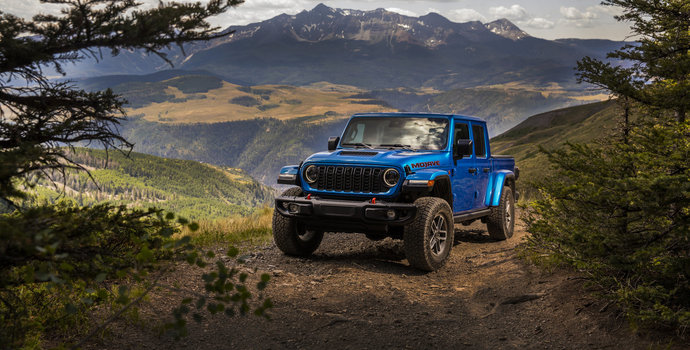
Some all-terrain tires also carry the mountain/snowflake symbol, so look for the symbol itself no matter what the tire is called. This matters for Jeep Wrangler and Gladiator owners running off-road tires. Check the sidewall before you count on them for winter. Many Jeep SUVs, including the Grand Cherokee and Cherokee, leave the factory on all-season tires, so a dedicated winter set is the upgrade to plan for.
Match the Size, Load Index and Speed Rating
Your winter tires should match what your Ram or Jeep was engineered to carry. The tire information label on the driver-side B-pillar or the rear edge of the driver’s door lists the recommended tire size and cold tire pressure. Use it as your starting point.
Here is what the codes on the sidewall tell you:
- P or LT: P marks a passenger tire, and LT marks a light-truck tire.
- Load index: a number tied to the maximum load each tire can carry.
- Speed rating: a letter showing the speed range at which the tire can carry its rated load.
- Load range: letters such as C, D, E, F and G, tied to the maximum load at a specified pressure.
Never choose a tire with a smaller load index than your original tires. Pay close attention on a Ram 2500 or Ram 3500, where loads run heavier. The weight on your tires must never exceed their carrying capacity.
Stay with the approved tire and wheel sizes for your vehicle as well. Unapproved tire and wheel pairings can change steering, handling and braking. A different tire size can also throw off your speedometer and odometer readings.
Winter tires often have lower speed ratings than the tires that came with your truck or SUV. Avoid sustained speeds above 120 km/h on them.
Why Four-Wheel Drive Still Needs Four Winter Tires
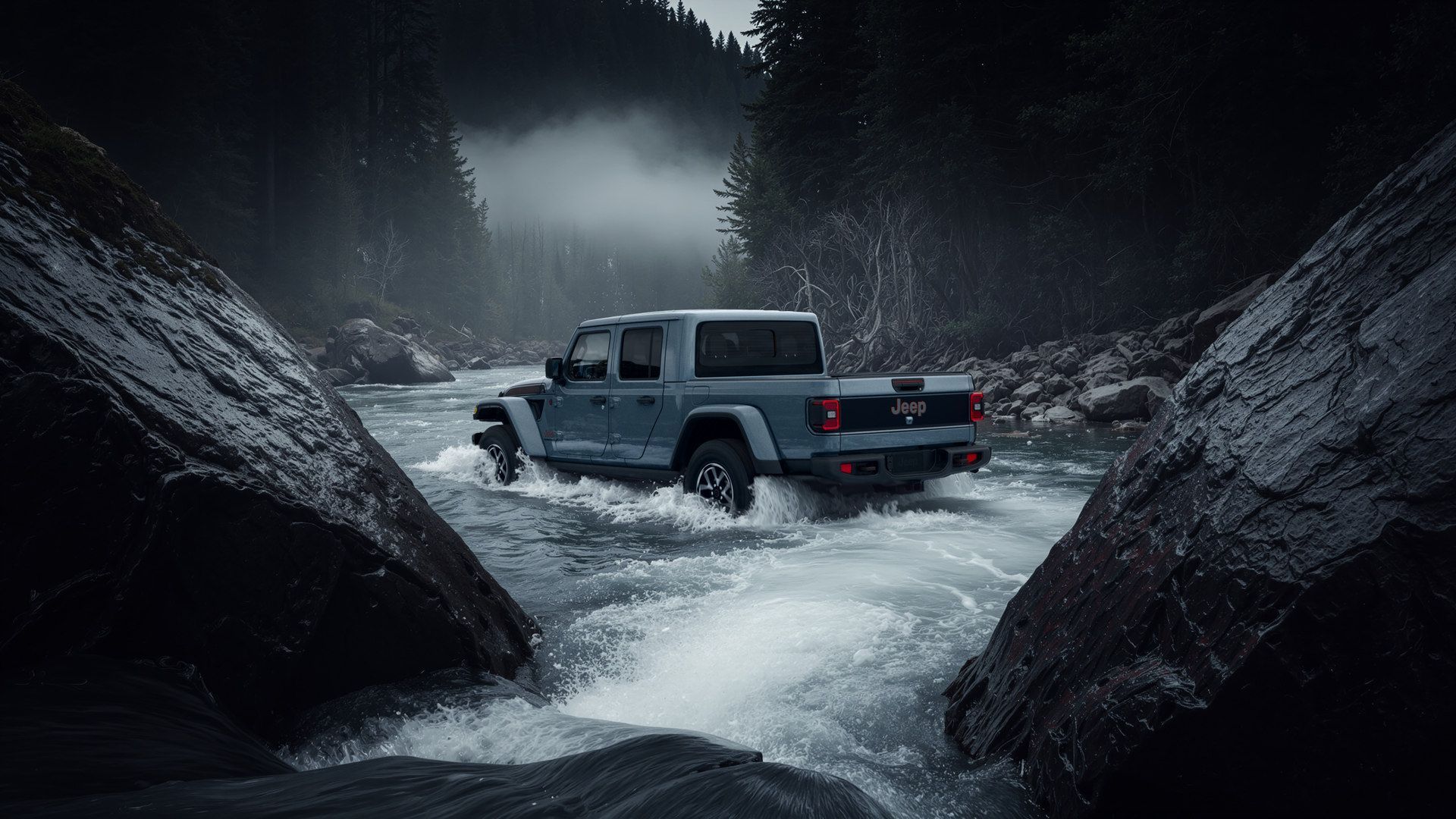
Four-wheel drive and all-wheel drive help a Ram or Jeep get moving on snow. Getting moving depends mostly on the driven tires. Braking, steering and cornering depend on the grip of all four tires. That is why winter tires belong on every wheel position, with no exception for 4x4 or AWD models.
Better traction also makes it easy to head into a turn or a stop faster than the road allows. Drive to the conditions, and let your winter tires handle the grip.
Install all four as a matched set with the same type, size, speed rating and load index. Mixing tread patterns, construction or sizes reduces stability. On four-wheel-drive Ram trucks and Jeep models, proper operation depends on tires of equal size, type and circumference at each wheel. A mismatch can damage the drivetrain.
Keep Your Winter Tires Working All Season
Cold weather lowers tire pressure by roughly 1 psi (7 kPa) for every 7°C drop. If you set your pressure in a 20°C garage and drive out into 0°C air, your tires will run about 3 psi (21 kPa) low. Add that extra air in the garage to make up for it.
Check pressure at least once a month when the tires are cold. That means the vehicle has sat for at least three hours or has been driven less than 1.6 km. Inflate to the pressure on the tire information label, and never above the maximum pressure molded into the sidewall.
- If the tire pressure warning light comes on, inflate to the cold placard pressure. The system can take up to 20 minutes of driving above 24 km/h to update.
- Make sure any separate set of winter wheels carries tire pressure sensors. Wheels without sensors trigger a system fault.
- Replace winter tires before the tread wears down close to 4 mm.
Which Winter Tire Setup Is Right for Your Ram or Jeep?
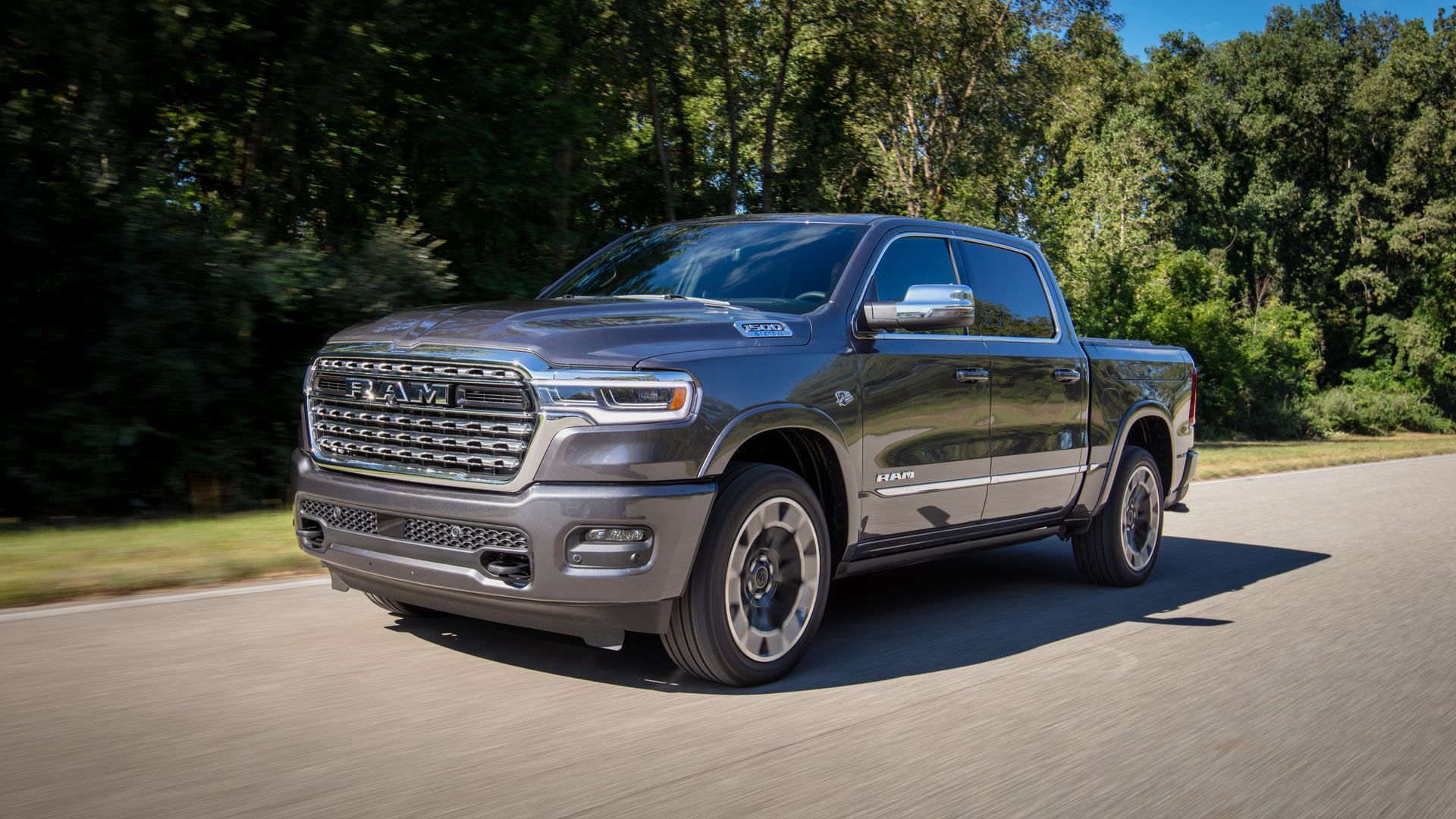
For most Ram 1500 owners and Jeep SUV drivers, the right call is a full set of four winter tires with the mountain/snowflake symbol, matched to the original size, load index and speed rating. If most of your winter driving happens on cleared, wet roads, studless winter tires avoid the weak spot studded tires have on bare pavement.
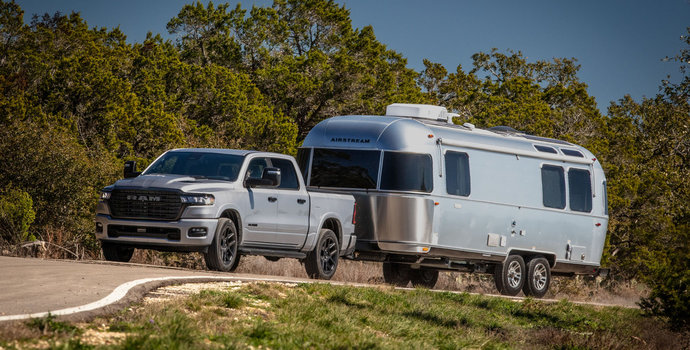
Ram 2500 and Ram 3500 owners should put the load index first. Match the original load index or go higher, and stay within the approved sizes. Wrangler and Gladiator owners should check their factory tires for the snowflake symbol and add a dedicated winter set if it is missing.
If you plan to mount winter tires on a second set of wheels, confirm those wheels match an approved size and carry tire pressure sensors. Swapping sets each season then takes far less time.
Get Your Ram or Jeep Winter-Ready at Cooksville Dodge Chrysler Jeep Ram
Bring your Ram or Jeep to Cooksville Dodge Chrysler Jeep Ram, and our team will help you confirm the right size, load index and speed rating for your winter tires. Book your visit at our Mississauga dealership before the snow arrives.